A practical guide to understanding bread ingredients.
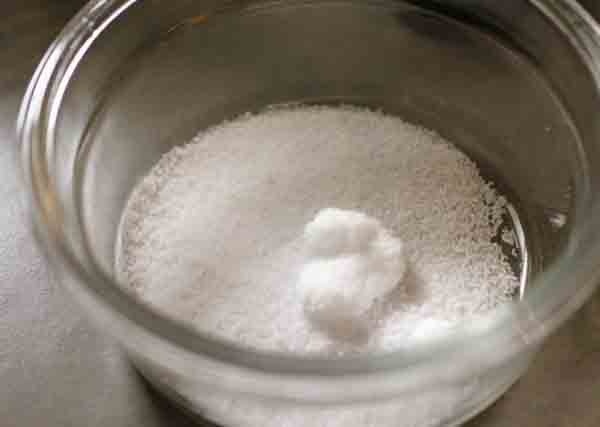
Water, salt and yeast
Water hydrates flour and determines how firm or loose a dough feels. Use the recipe’s weight as the starting point, then judge the dough alongside the flour’s absorption. Salt seasons the loaf and affects dough behavior; do not casually omit it. Keep the specified yeast type and quantity, especially in long-fermentation formulas.
Milk, cream and eggs
Milk contributes water, milk solids and fat. Cream is much richer, so it cannot simply replace milk gram for gram without changing the dough. Eggs also contribute both water and solids; recipes that specify yolks or whites rely on their different properties. Weigh beaten egg when a gram amount is given.
Fats and sweeteners
Butter and oils enrich the flavor and soften the finished crumb. Many enriched doughs develop gluten first and receive butter later. Sugar, honey, maple syrup and malt syrup give different flavors and should not be treated as identical ingredients.
Prepare additions before mixing
Toast nuts and cool them before adding near the end of mixing. Soak very dry fruit, then drain it. Soak slow-absorbing grains and flaxseed in the measured water specified by the recipe. Use strongly flavored cheeses such as aged cheddar or Parmesan when their flavor needs to remain distinct after baking.
Keep alkalis distinct
Baking soda and food-grade pretzel lye are different substances. Only use the ingredient named in a recipe or an explicitly stated alternative. For a lye-treated bread, follow the product’s handling instructions and the precautions included with that recipe.