A practical guide to proofing, scoring, baking and storing bread.
Judge the final proof
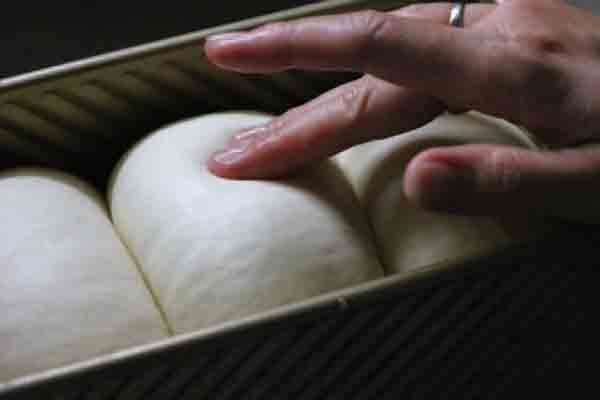
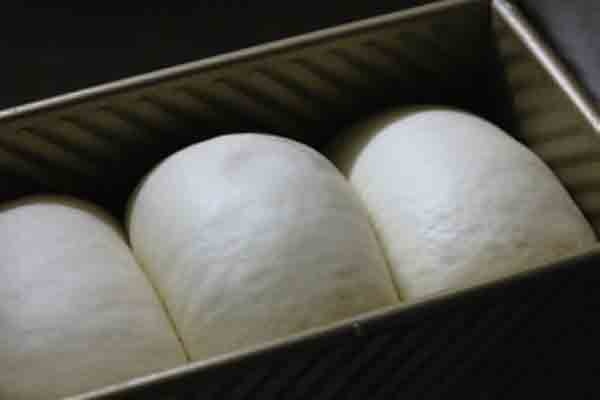
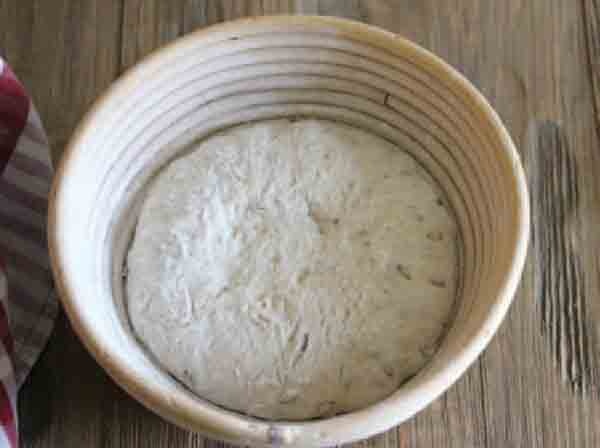
A gentle fingertip press is one useful clue. If the indentation springs back immediately, the dough often needs more time. If it returns slowly and partly, many lean loaves are ready. Soft buns and enriched breads may need a fuller proof, while high-rye dough and baguettes should retain more expansion potential. Follow the recipe’s specific cues instead of applying one test to every bread.
Score with purpose
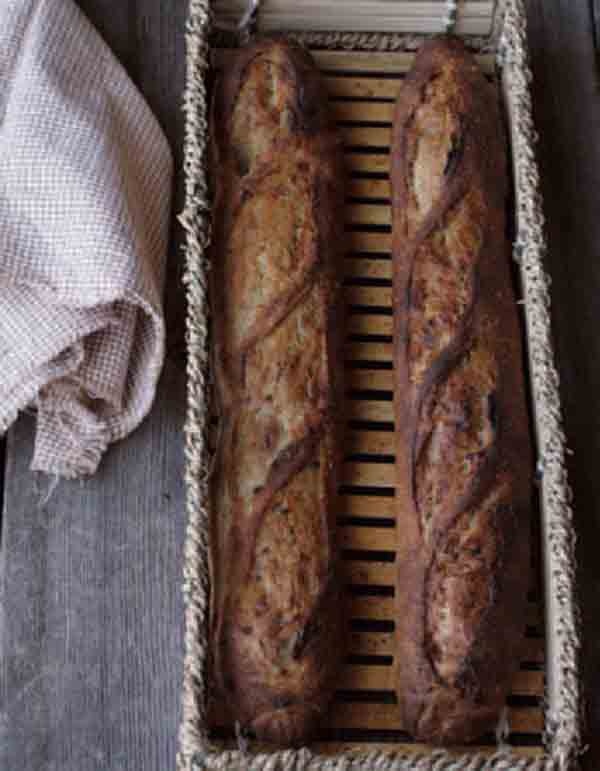
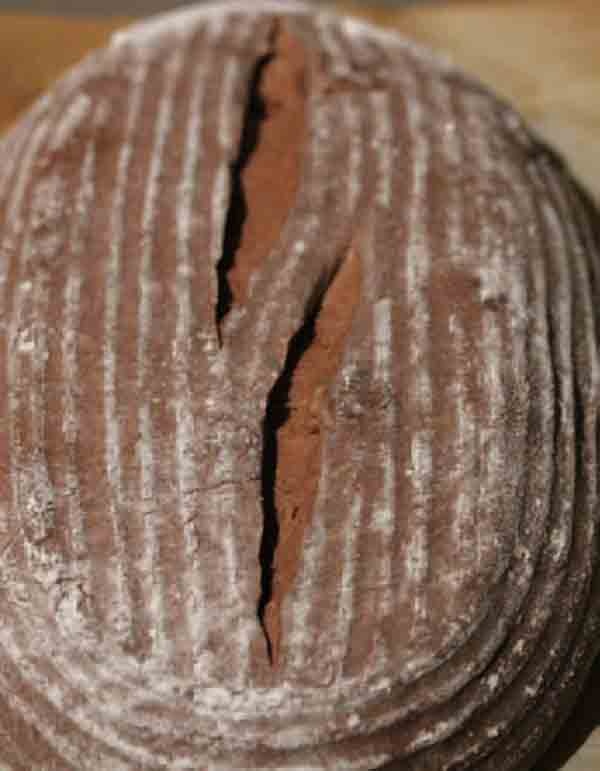
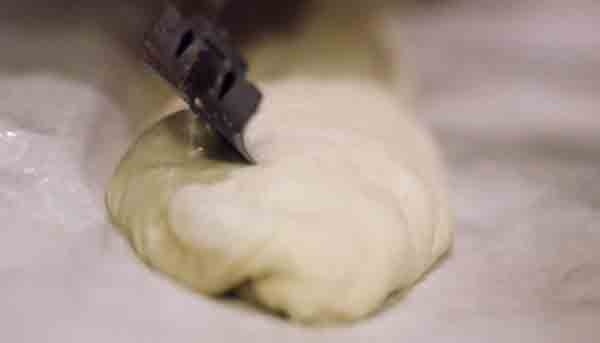
Score after proofing and just before baking. Baguettes use shallow-angle cuts running almost lengthwise, with some overlap. Round and oval loaves may use more upright cuts to guide expansion. Some floured seams and grooved shapes are designed to open naturally and need no scoring.
Manage heat and steam
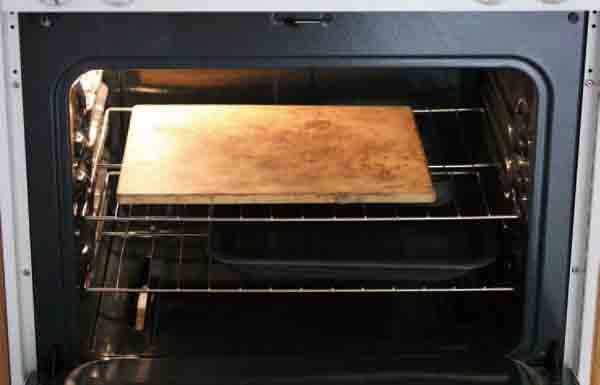
A preheated stone supplies stored heat. Early steam delays crust setting so the loaf can expand; later dry heat develops color and crispness. When a recipe calls for a steam tray, use a suitable metal tray and keep your hands and face away from escaping steam. Do not pour water onto oven glass. Observe the oven and cookware temperature limits rather than exceeding them to reach a recipe’s preheat setting.
Cool completely
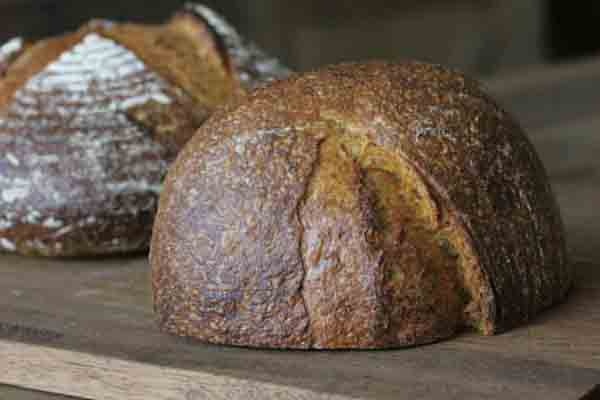
Move free-standing loaves to a rack. Unmold pan loaves when instructed. Cutting while the interior is still hot can damage the crumb. Some large rye loaves benefit from additional resting before slicing.
Store according to bread type
For short storage, keep soft bread sealed at room temperature. A rustic loaf can be kept cut-side down to help protect its cut face. For longer storage, slice and freeze, then reheat the portions you need. Refrigeration generally accelerates staling in ordinary unfilled bread; perishable fillings and toppings require their own storage approach.
What It Looks Like