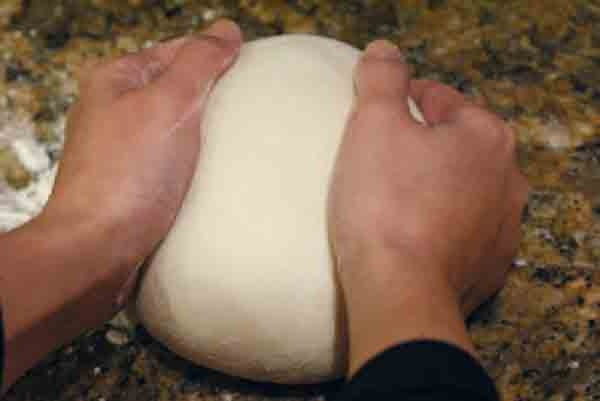
A practical guide to mixing, kneading and folding bread dough.
Begin with a hydration rest
Mixing flour and liquid and letting them rest gives the flour time to absorb water. Depending on the recipe, this rest may last 20–60 minutes or take place overnight in the refrigerator. Follow the recipe’s sequence: a plain flour-and-water rest differs from a rest that already contains starter, salt or other ingredients.
Develop the right amount of gluten
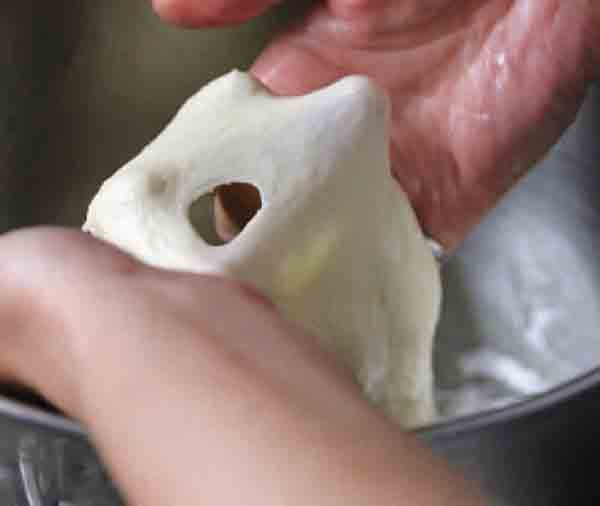
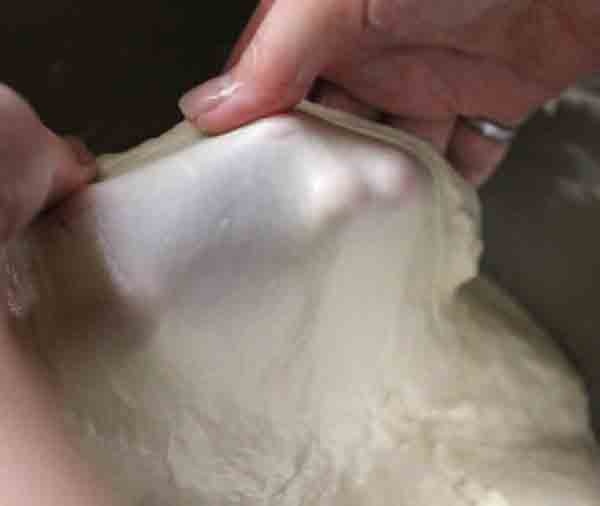
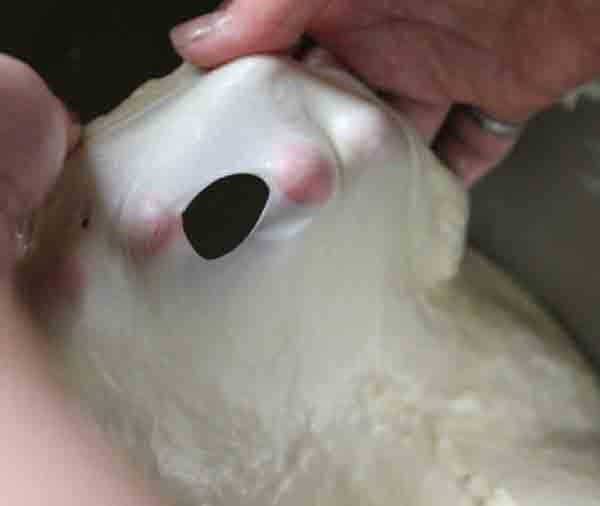
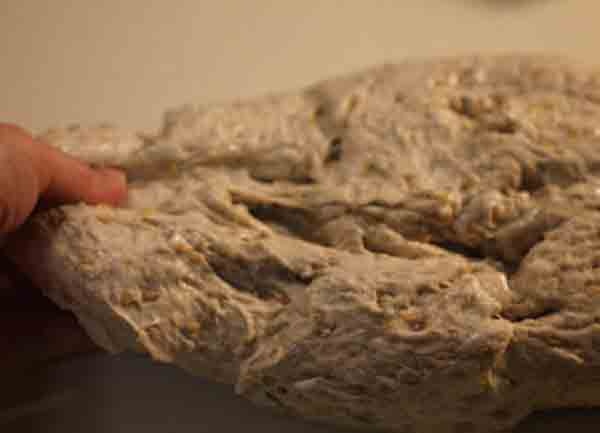
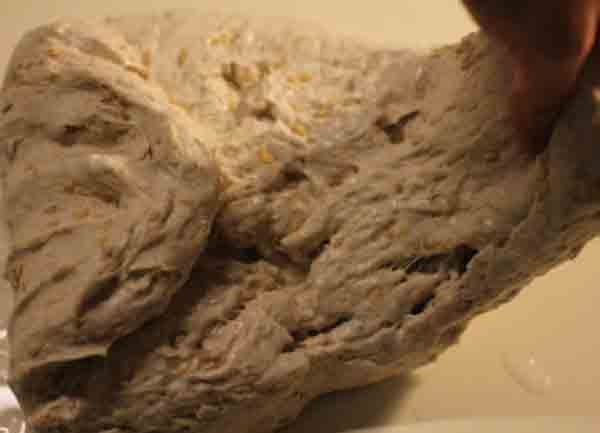
Rustic bread often needs only brief mixing followed by folds. Soft sandwich loaves and rich brioche need stronger development so their dough can support a high rise. A moderate windowpane stretches into a membrane but may tear before it becomes very thin; a fully developed dough stretches into a broad, strong membrane. Whole wheat membranes show bran particles, and rye dough should not be judged by the same test.
Fold during bulk fermentation
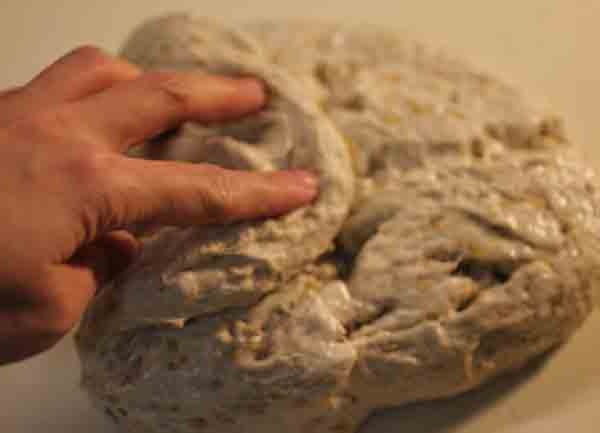
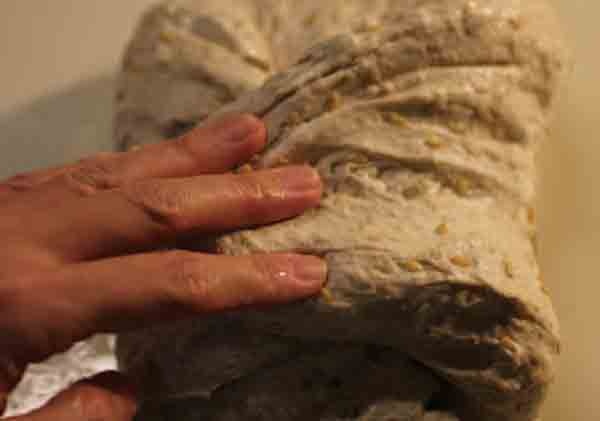
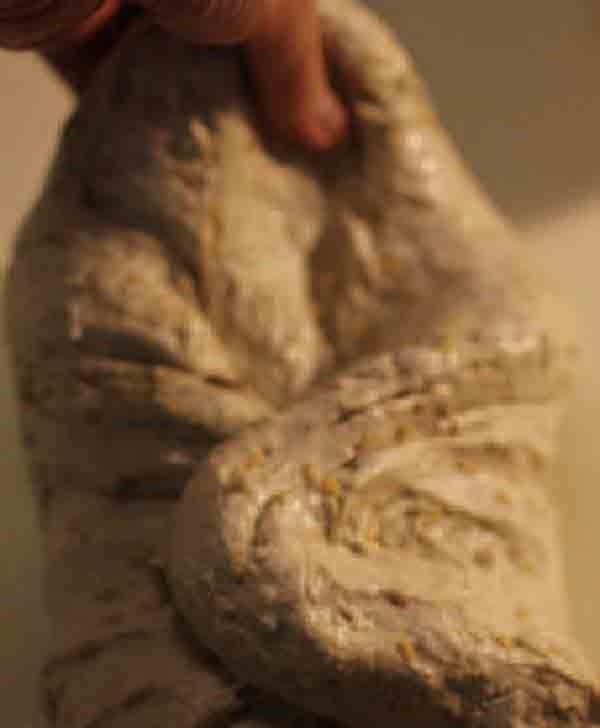
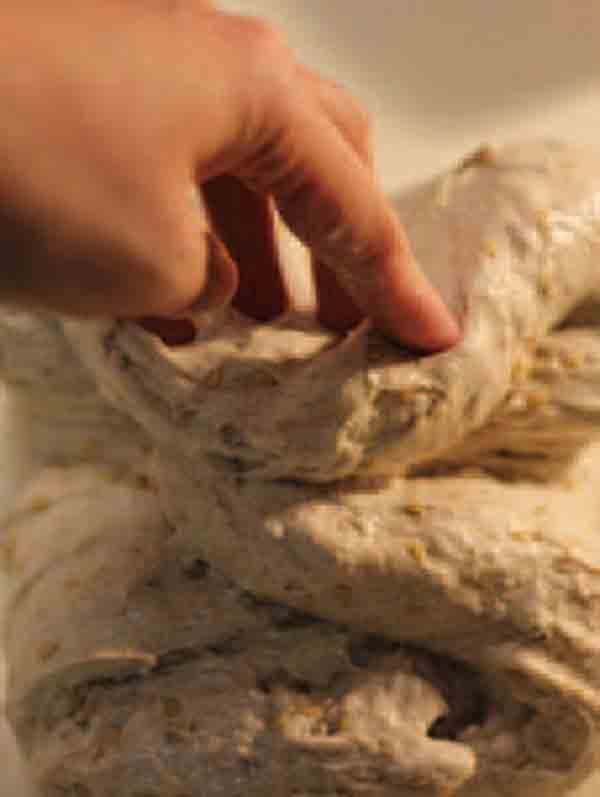
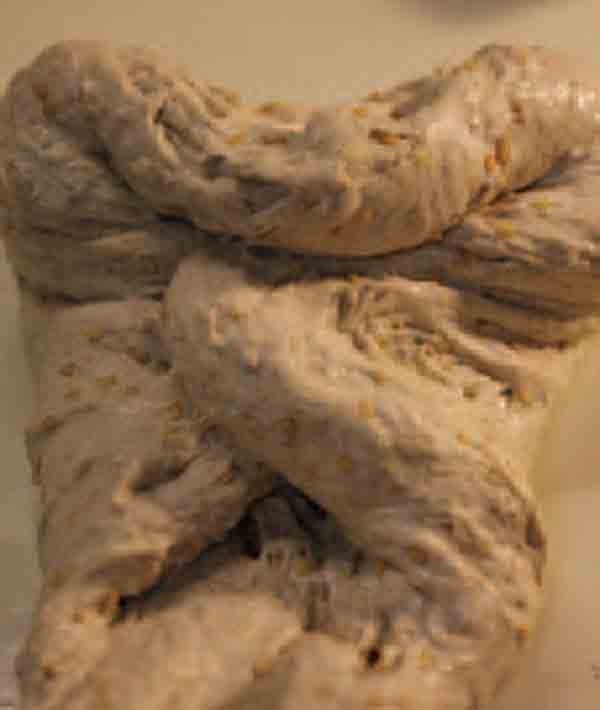
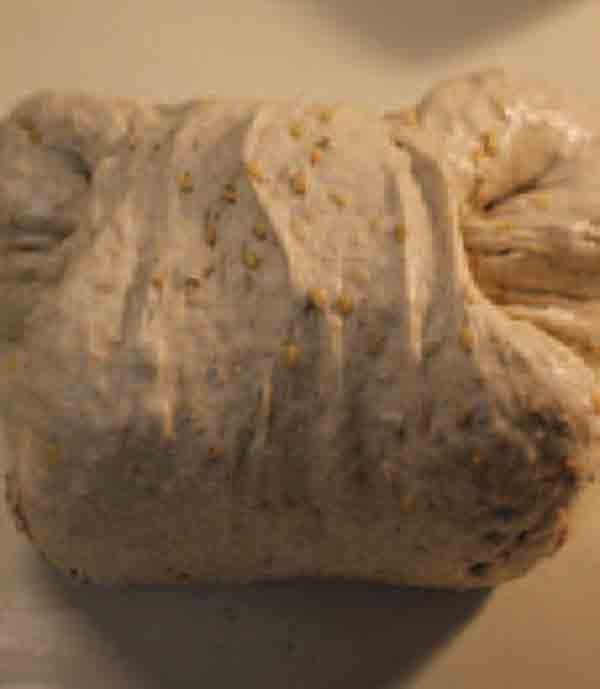
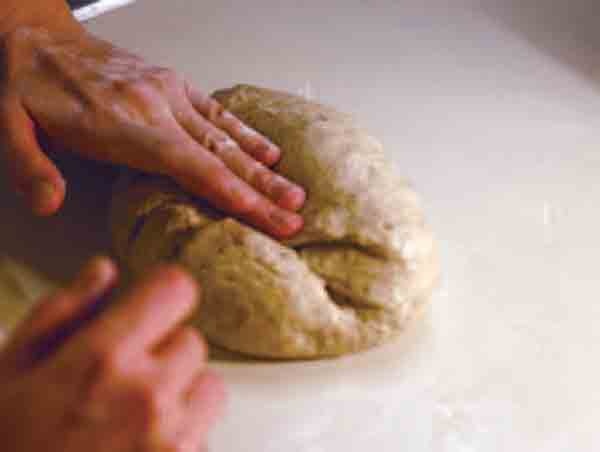
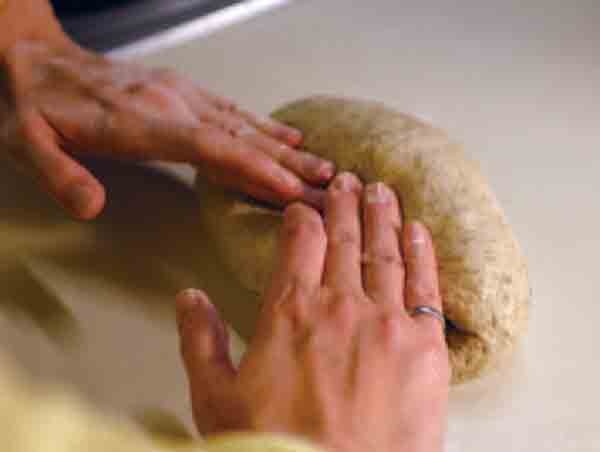
Lift and stretch one edge of the dough, fold it across the center, then repeat from the other sides. Work in the bowl if the dough is very wet. Cover it between folds. Rest intervals allow it to relax so later folds strengthen the dough without tearing it.
Watch the dough
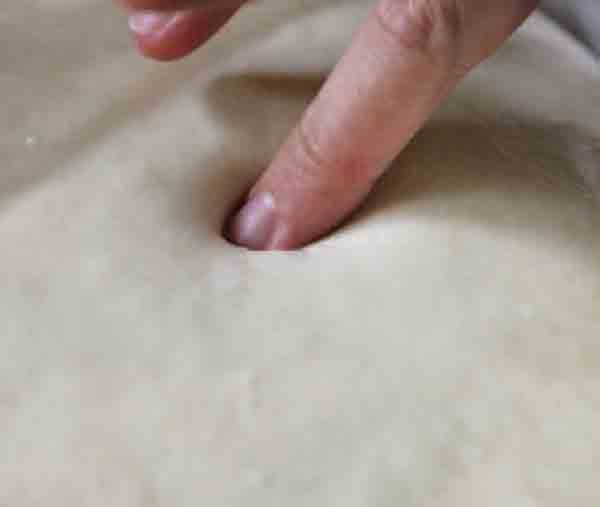
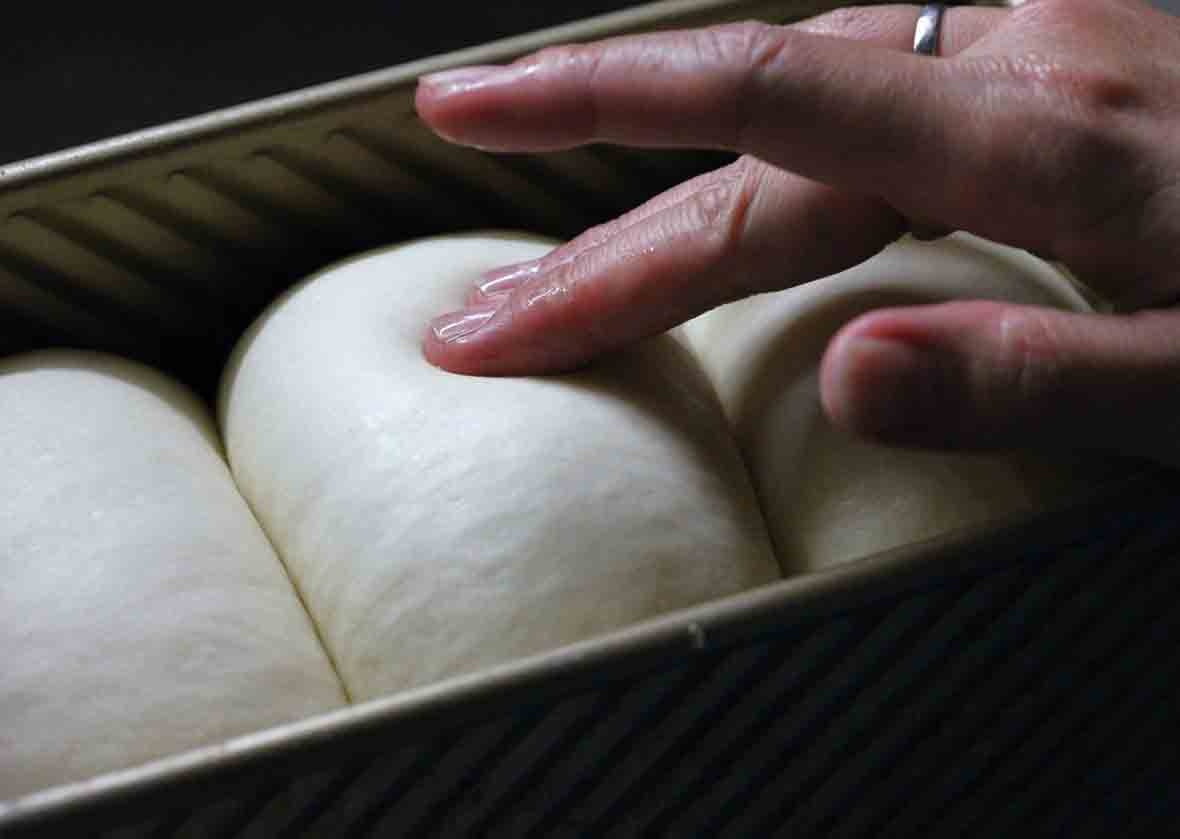
Bulk fermentation develops gas, flavor and structure. The target can be a modest increase, 50% expansion or doubling, depending on the formula. Temperature, starter strength and dough composition change the schedule. Use the stated visual endpoint together with the time.
Divide, preshape and rest
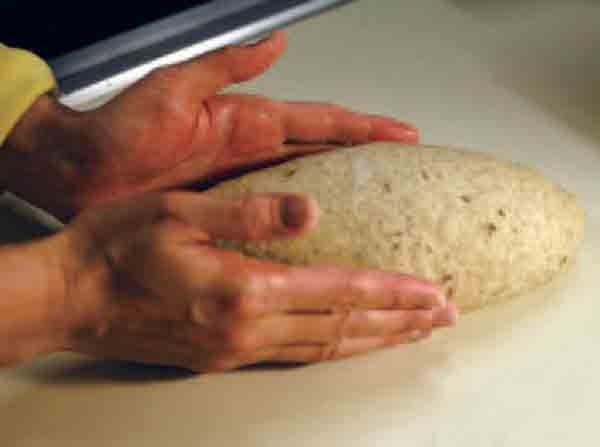
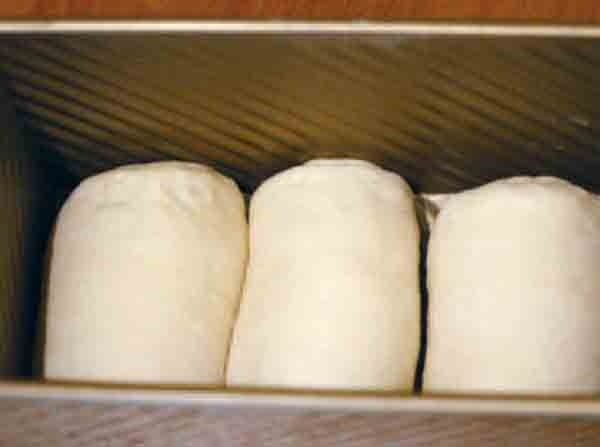
Divide into even pieces, arrange each into a loose preliminary shape and let it relax before final shaping. Protect internal bubbles when making open-crumb loaves. For fine-textured sandwich breads, deliberate degassing and even rolling help create a more uniform crumb.
What It Looks Like