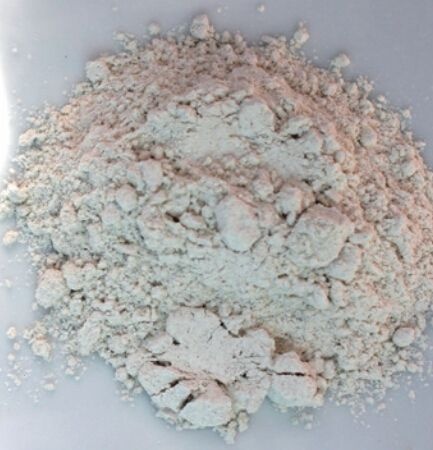
A practical guide to choosing flour for bread.
Match flour to the bread
Flour provides both structure and flavor. For a baguette, try flour around 11% protein. It should be strong enough to retain gas but extensible enough to roll into a long loaf. For soft sandwich loaves and enriched doughs, bread flour helps support a higher rise. Cake flour is used where tenderness matters more than elasticity.
Whole wheat flour
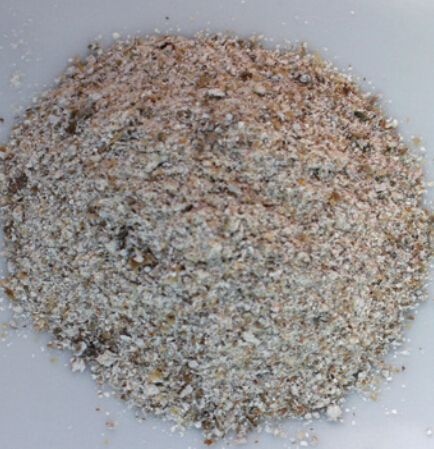
Whole wheat retains bran, germ and endosperm. Its coarse particles absorb water slowly and can interfere with gluten development. A dough that feels wet at first may become firmer after resting. Give it a 20–30 minute hydration rest before intensive kneading, and resist adding flour too quickly.
Whole wheat brands vary in strength. A weak flour may need bread flour alongside it; a strong whole wheat flour can produce a fine elastic membrane, with bran still visible in it.
Rye and other grains
Rye behaves differently from wheat. It absorbs considerable water and gives a sticky dough with limited elasticity. High-rye recipes need their own fermentation and baking approach rather than a wheat-bread windowpane test. Cornmeal, oats, wheat germ and seeds contribute flavor and texture, but they do not replace wheat gluten.
Read labels carefully
In these recipes, corn flour means finely milled yellow corn, not cornstarch. Rice flour means ordinary non-glutinous rice flour. Match the named ingredient before changing the water.
What It Looks Like