A practical guide to bread baking tools and pans.
Start with accurate measurement
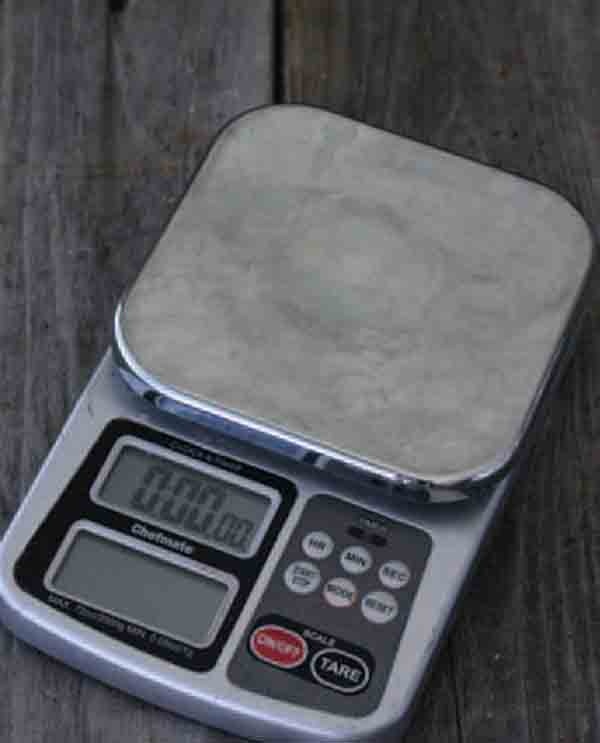
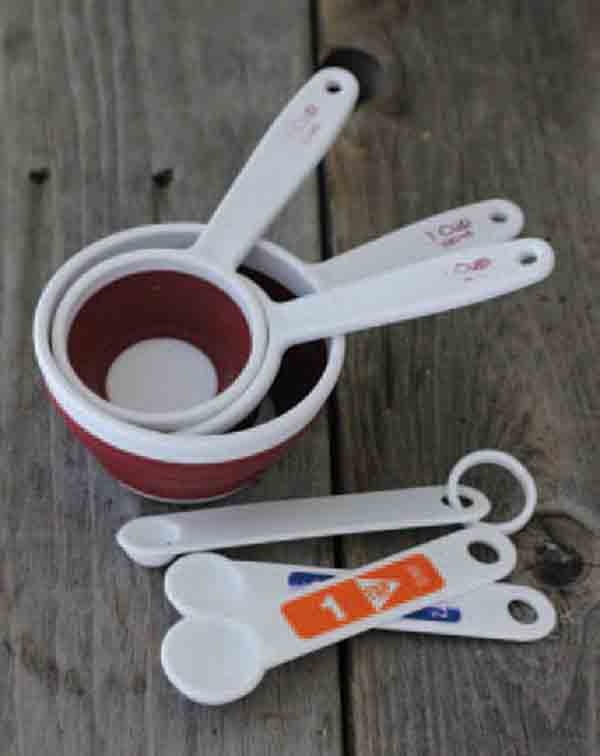
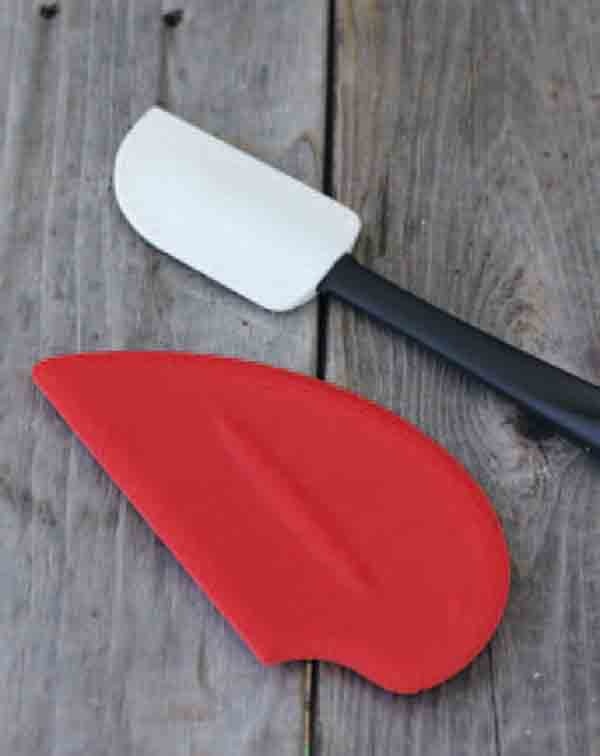
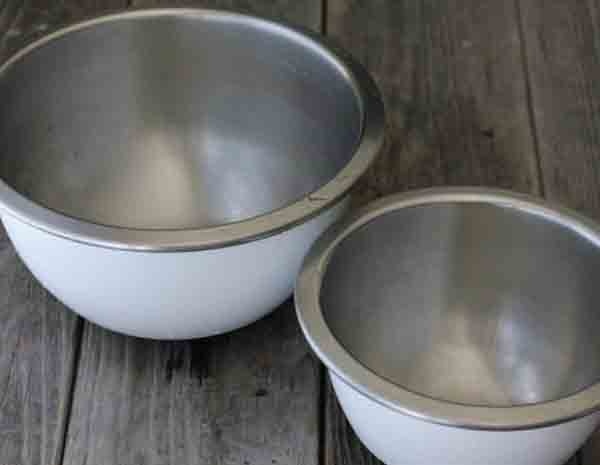
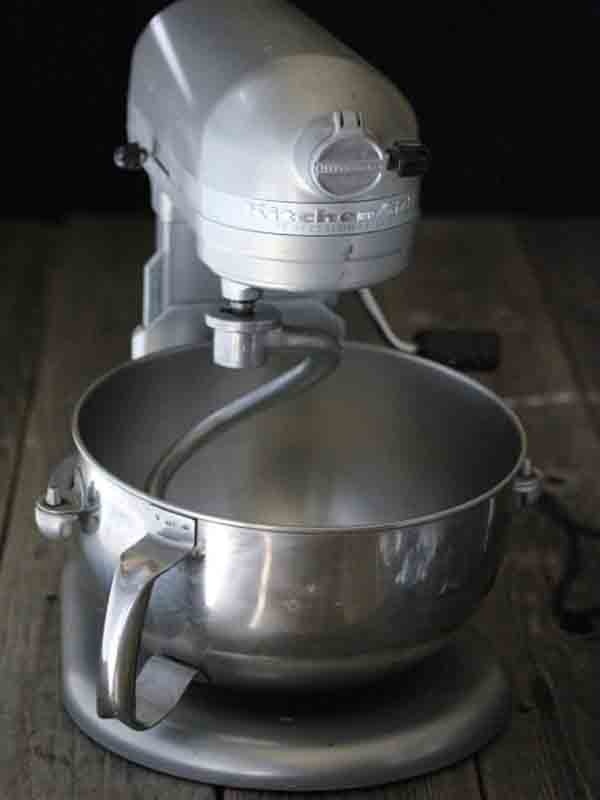
A digital scale, mixing bowl, dough scraper and a way to check temperature make bread preparation more repeatable. Weigh flour and liquids rather than estimating them by volume. A mixer is especially useful for stiff bagel dough or very rich brioche, but many rustic doughs gain strength through folds.
Support dough during proofing
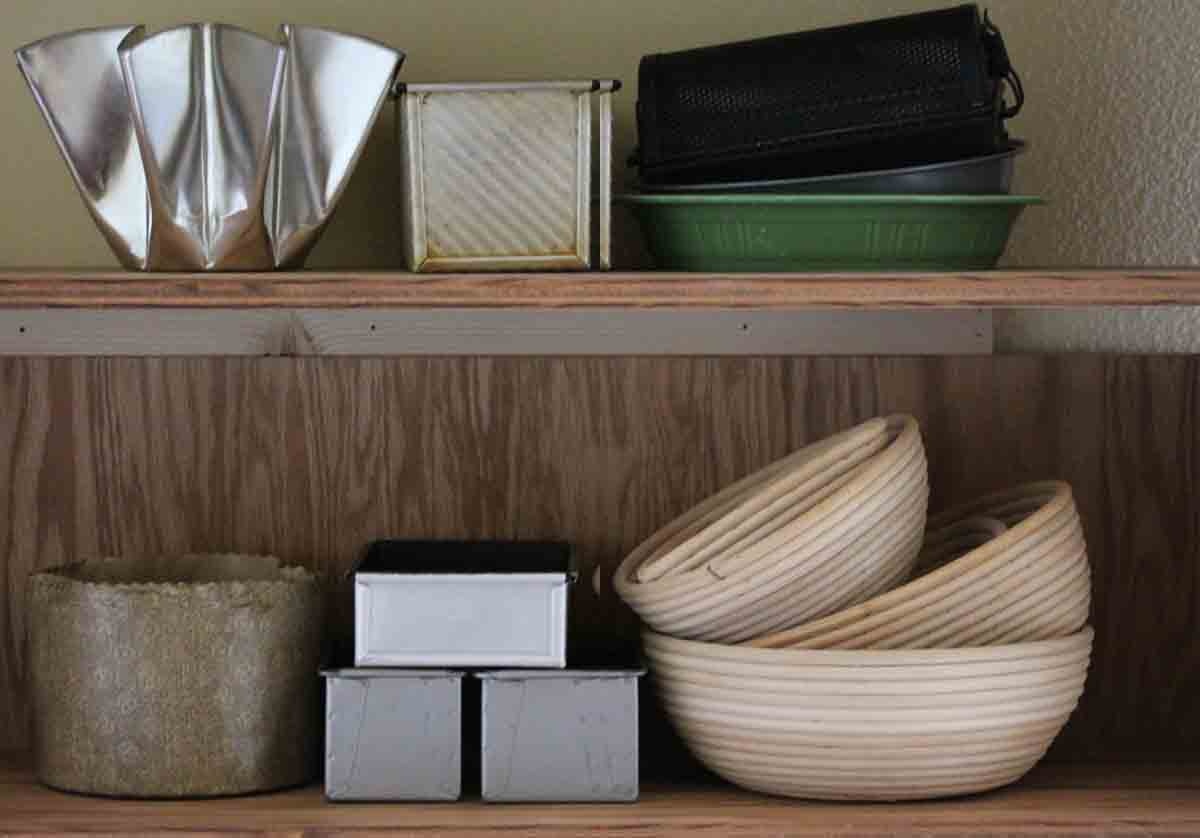
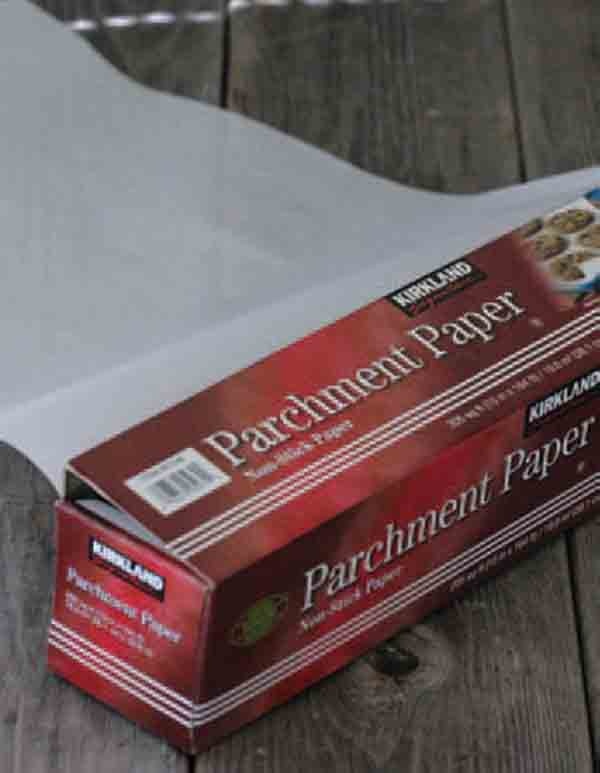
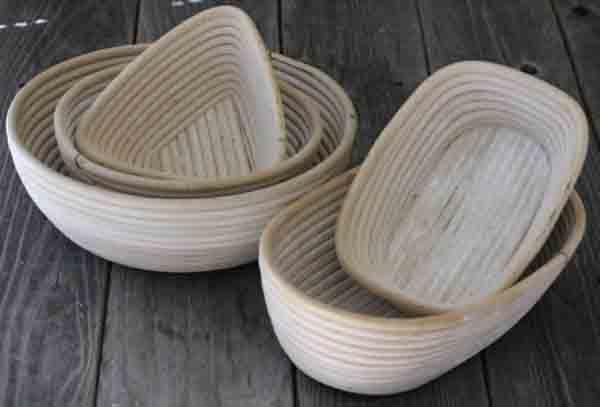
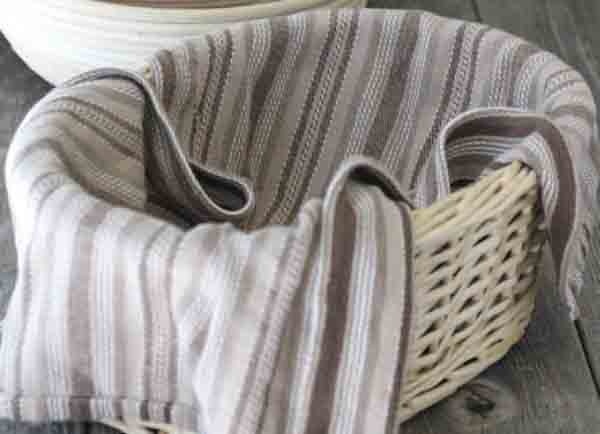
A floured proofing basket supports a shaped loaf. A suitably sized bowl lined with a generously floured cloth is an alternative. Baguettes can proof between folds of a floured cloth or pleated parchment. Leave room for expansion and cover dough so its surface does not dry.
Load and score
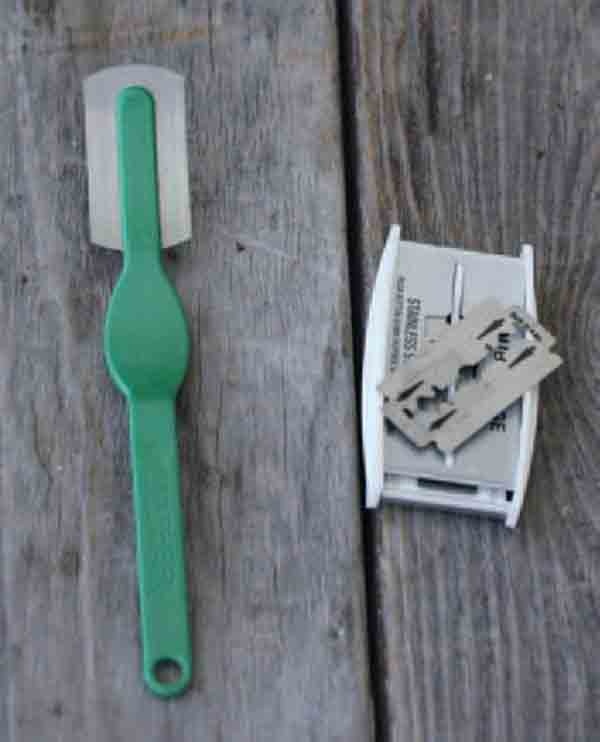
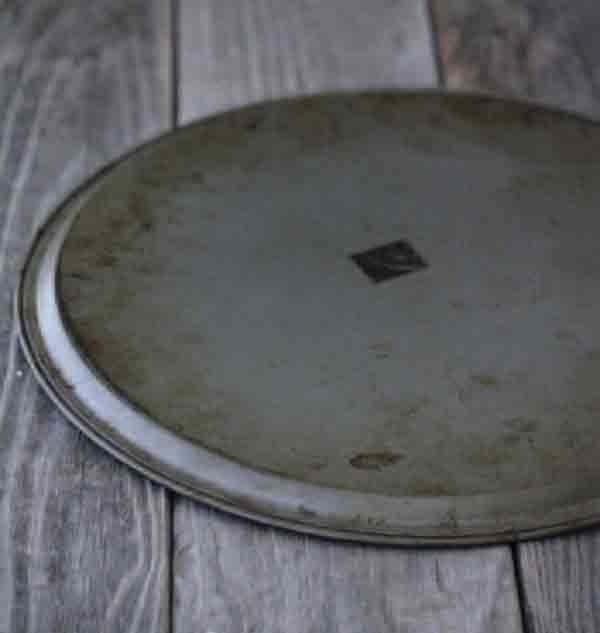
A sharp lame makes controlled cuts that guide expansion. A flat-backed tray can act as a peel, allowing dough and parchment to slide onto a stone. Prepare the transfer route before the oven is hot.
Choose the baking surface
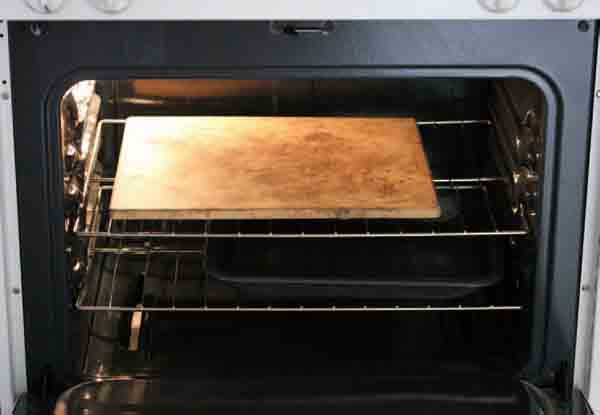
A baking stone stores heat and is especially useful for baguettes, ciabatta and pita. Preheat for the time specified in the recipe, often 40–60 minutes. A lidded cast-iron pot traps the loaf’s own steam and can replace a stone for a suitably shaped loaf. Check the heat rating of every part, including the knob, and use oven gloves.
Match the pan
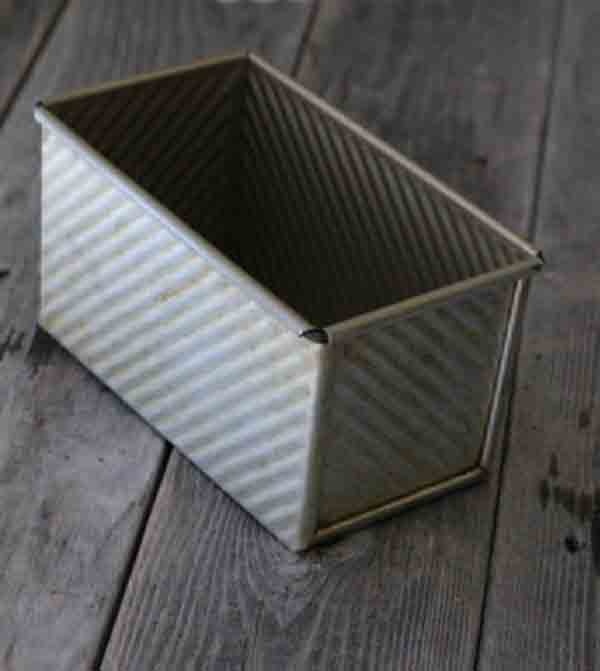
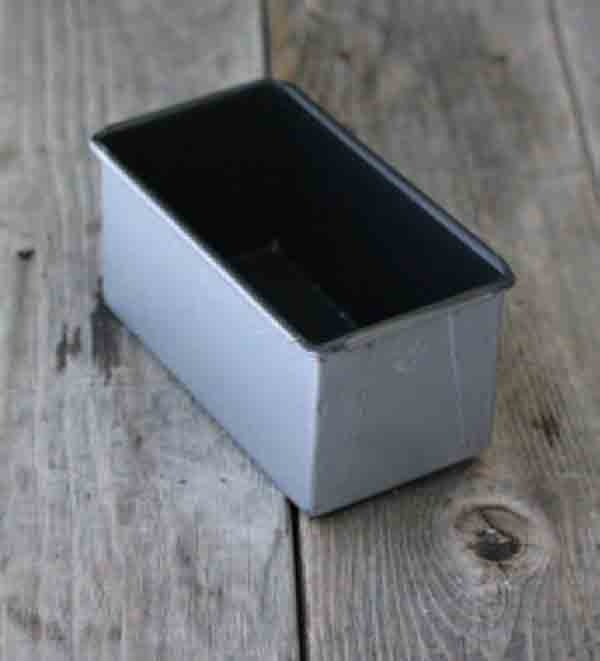
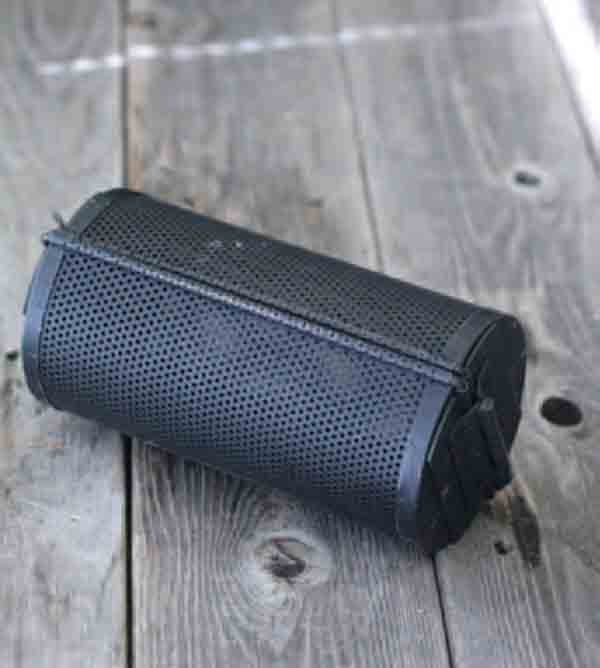
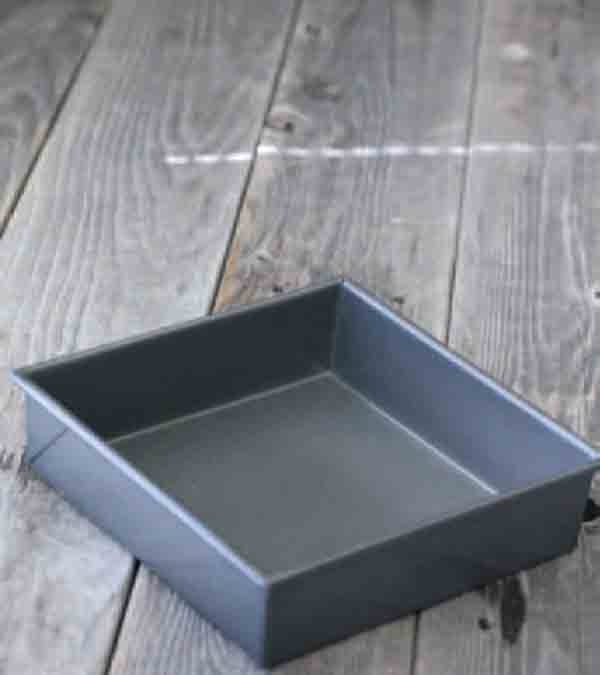
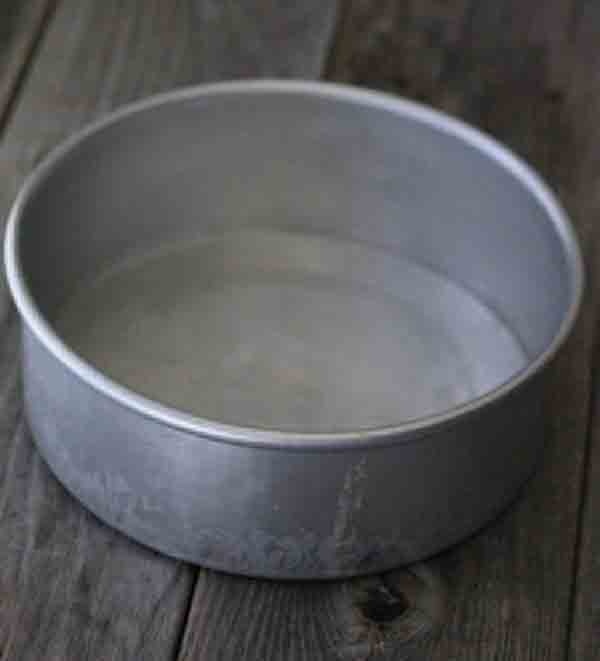
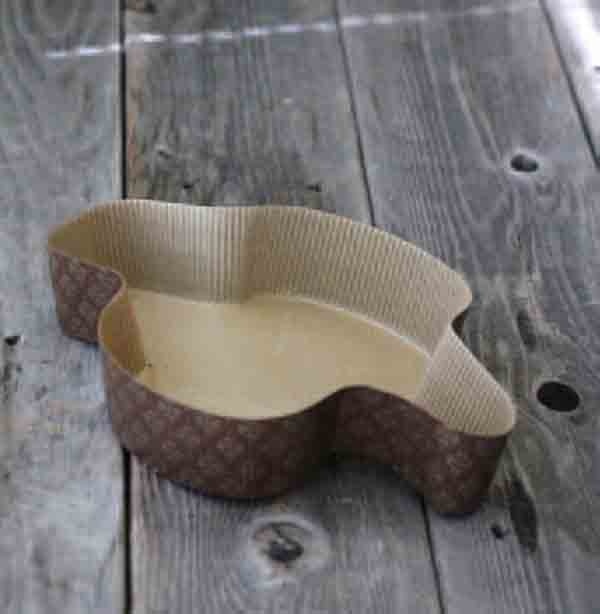
A standard 450 g sandwich pan is approximately 19.7 × 10.6 × 11 cm. “450 g pan” identifies a mold convention; it does not mean every recipe must contain exactly 450 g dough. Cylindrical pans, brioche molds and paper holiday-bread molds have different capacities. Check the recipe’s loading guidance and final-proof target.
What It Looks Like
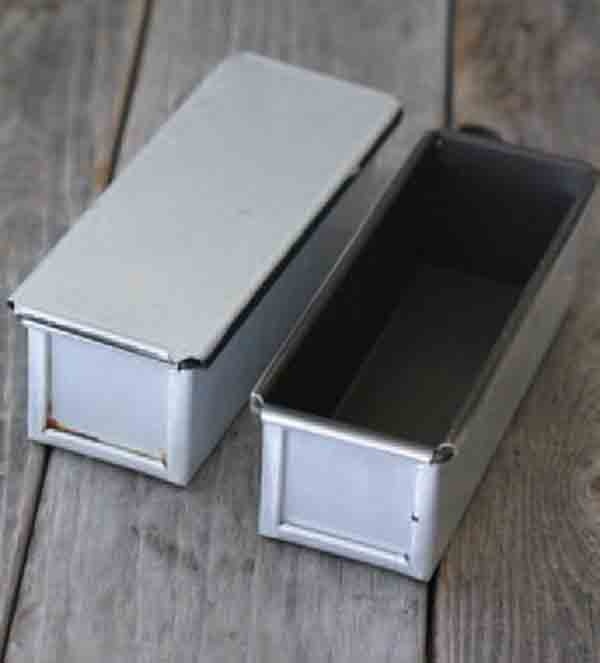
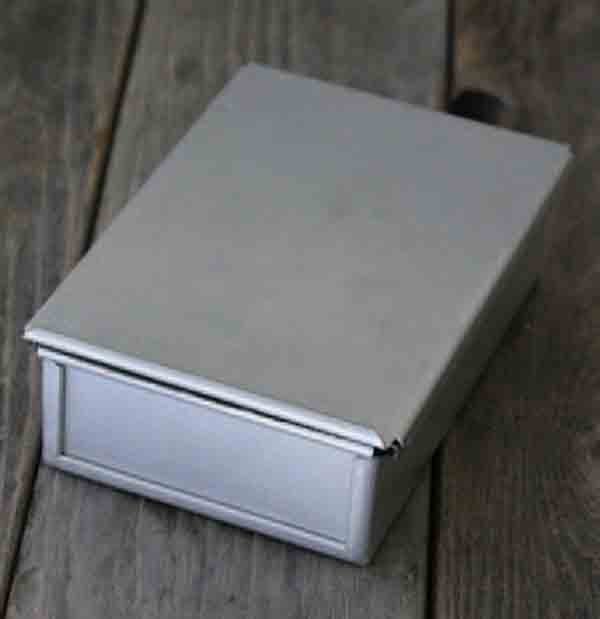
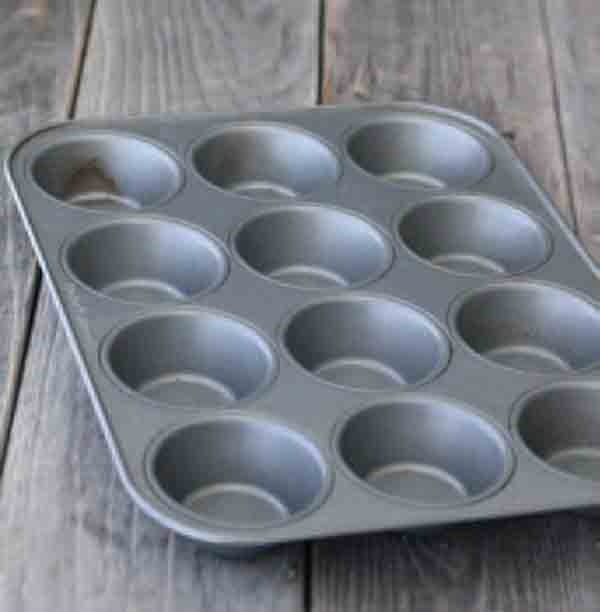
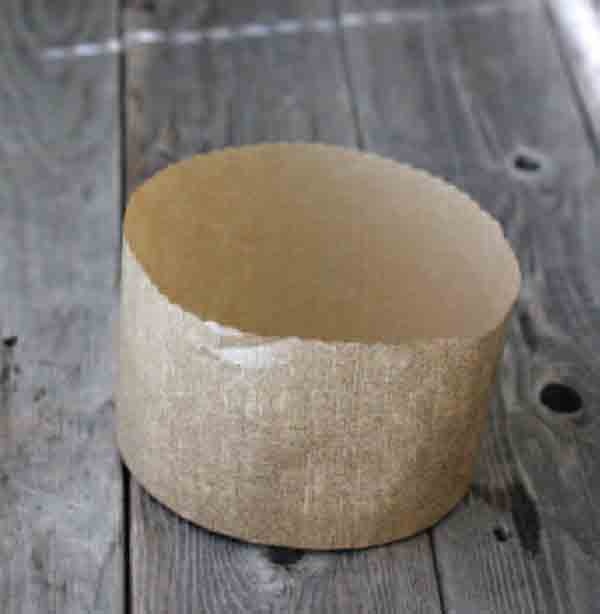
Reading the Bakery Recipes
Some bakery formulas specify separate top and bottom heat and list proofing temperature and humidity. If your home oven has a single dial, check the recipe’s baking note for guidance. These formulas make large batches and may leave the yeast type unspecified. Read the notes before measuring.