Sugar helps create the golden edges of a cookie, the tenderness of a cake, and the delicate crunch of a meringue. Its role extends well beyond making a dessert taste sweet.
That is why reducing sugar can change several qualities at once. Understanding how it affects colour, moisture, and structure helps you make thoughtful adjustments—and recognise when a recipe developed with less sugar is the better starting point.
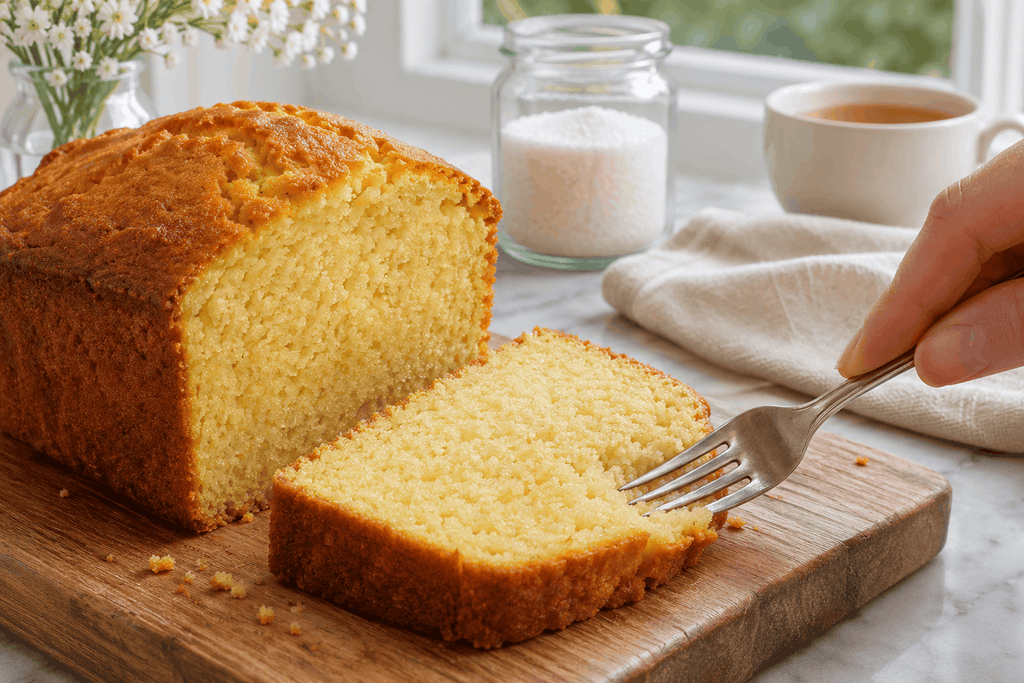
1. Think of Sugar as a Functional Ingredient
Sugar contributes bulk as well as sweetness. It interacts with water, influences how mixtures set, and participates in the processes that create colour and flavour.
Its effect depends on the recipe. A small amount in bread dough serves a different purpose from the substantial quantity in a meringue.
Before changing it, consider the method and intended result. Is the sugar being creamed with butter, dissolved into a batter, or beaten into egg whites? Each situation gives it a different job.
2. Understand How Sugar Helps Foods Brown
Two processes contribute to browning in baking: caramelisation and the Maillard reaction.
Caramelisation involves sugars breaking down under heat. The Maillard reaction involves reducing sugars reacting with amino compounds from ingredients such as flour, eggs, or milk. Ordinary table sugar does not participate in both processes in exactly the same way.
Together with temperature, moisture, and acidity, these reactions influence golden colour and toasted flavours. Reducing sugar may leave a bake paler, even when its centre is fully cooked.
3. Recognise Sugar’s Role in Moisture Retention
Sugar attracts and holds water. This helps many cakes, muffins, and brownies retain a pleasant texture after cooling.
Removing a substantial amount can make the finished product feel drier or become less enjoyable during storage. Simply adding more milk may not restore the original balance, because extra liquid also changes batter consistency and structure.
Moisture retention has another side: crisp products can absorb moisture from humid surroundings and soften. Storage conditions therefore matter alongside the recipe.
4. Distinguish Crispness from Dryness
A crisp cookie has a pleasant snap; an overbaked cookie may simply feel hard and dry. Sugar helps create that distinction.
In many cookie recipes, white granulated sugar supports a crisper texture, while brown sugar encourages a softer, chewier result. However, butter, flour, eggs, portion size, and baking time all influence the outcome.
Reducing sugar does not necessarily make a cookie crunchier. It can produce a thicker, more crumbly or cakey cookie instead.
5. See How Sugar Supports Tenderness and Rise
Sugar competes with flour and other ingredients for available water. It also delays starch gelatinisation and protein setting, affecting how long a batter can expand before its structure firms.
During creaming, sugar crystals help incorporate air into softened butter. In meringues, dissolved sugar helps stabilise the egg-white foam.
These functions make some recipes particularly sensitive to reduction. Cutting sugar in an airy sponge or meringue may affect volume and stability as well as flavour. More beating cannot automatically compensate for the missing ingredient.
6. Choose Sugar Types with Their Differences in Mind
White, brown, powdered, and liquid sugars are not interchangeable simply because they taste sweet.
| Sugar type | Characteristics to consider |
|---|---|
| White granulated sugar | Crystal size affects mixing and dissolving |
| Brown sugar | Contains molasses, adding moisture, flavour, and acidity |
| Powdered sugar | Very fine; commonly contains starch |
| Honey and other syrups | Add water and have different sugar compositions |
Brown sugar’s acidity can also interact with baking soda. Replacing it with white sugar may change more than the colour.
Use a tested substitution when switching sugar types, especially between dry sugar and liquid sweeteners.
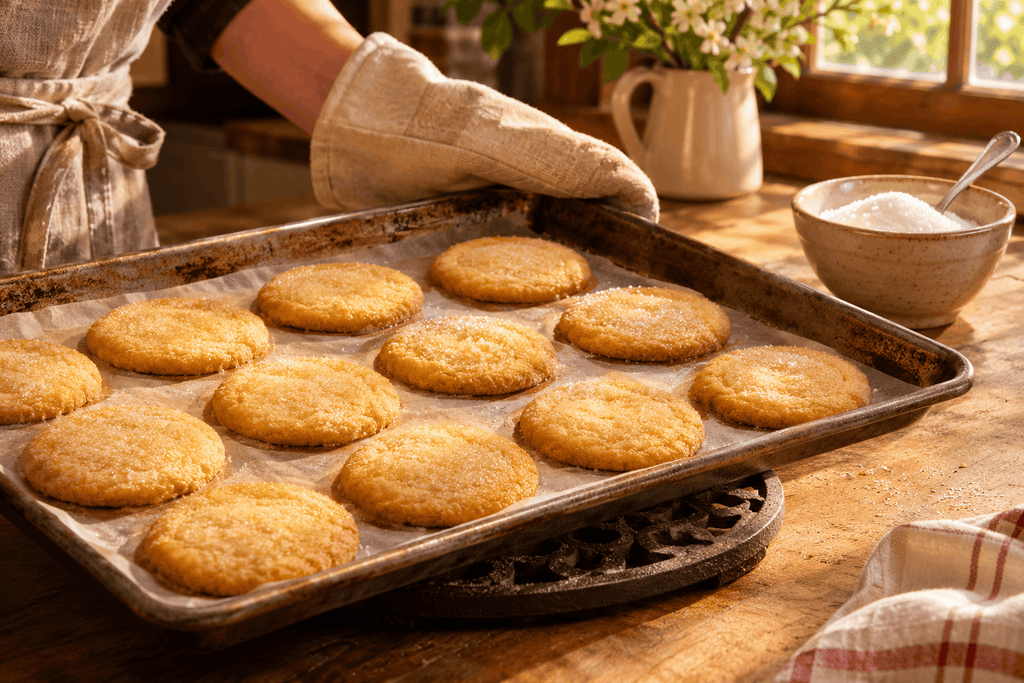
7. Separate Added Decorations from the Main Formula
Consider where the sweetness comes from before changing the batter or dough.
A plain cake may become very sweet once covered with frosting, filled with jam, and served with a sugary sauce. Choosing a lighter coating or a less sweet accompaniment can change the overall eating experience while keeping the cake recipe intact.
Check whether a topping also serves a structural purpose. A light dusting of icing sugar is different from a frosting that supports layers or a filling that holds a dessert together.
Taste the complete dessert, rather than judging each component in isolation.
8. Approach Reduction as a Small Experiment
There is no universal percentage that works for every bake. A hand-mixed muffin and a meringue respond differently.
For reliable results, begin with a tested reduced-sugar recipe. If experimenting with a familiar recipe:
- Make the original version first.
- Weigh the sugar and record any reduction.
- Change only one variable at a time.
- Keep the pan, portions, and oven settings consistent.
- Assess the texture after cooling and again the next day.
Do not extend baking simply to achieve the original colour. Reduced-sugar products may brown less, so use the recipe’s other doneness cues.
9. Remember That Sweeteners Do Not Replace Every Function
A concentrated sweetener may reproduce sweetness while supplying very little bulk. It may also behave differently during browning, moisture retention, and cooling.
Products formulated for baking can contain bulking ingredients, so follow their specific instructions rather than assuming every sweetener replaces sugar by equal weight.
Honey, maple syrup, and similar ingredients still contribute sugars. They also introduce their own water and flavour.
For beginners, a recipe tested with the intended sweetener is easier to follow than trying to rebuild several ingredient functions at once.
10. Frequently Asked Questions
Will reducing sugar make my cookies crispier?
Not necessarily. They may become thicker, cakier, or more crumbly.
Why is my reduced-sugar cake pale?
Sugar reduction can lessen browning. Check doneness using the recipe’s other indicators.
Can I replace white sugar with brown sugar?
Sometimes, but moisture, acidity, flavour, and texture may change.
Can I cut the sugar in meringue substantially?
Meringue relies on sugar for stability and texture. Choose a tested recipe rather than making a large reduction.
What is the easiest way to make a dessert taste less sweet?
Consider smaller portions of optional frosting, glaze, or sauce, or choose a recipe designed for a less sweet result.